

 Français
Philanthropy and the Relationship Between Giving and Receiving
2026 Oct 20
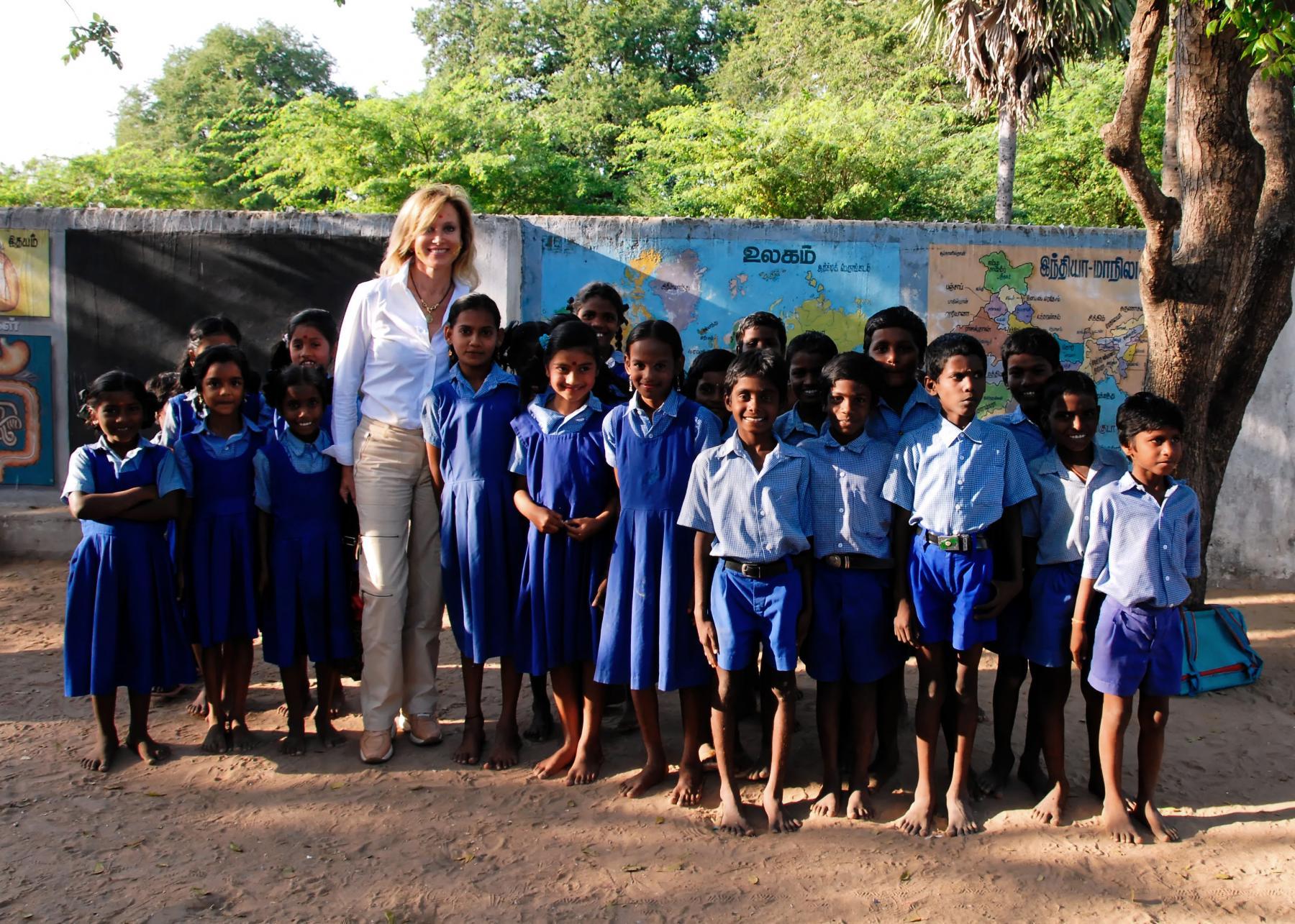
It has long been accepted that success and fortune place a responsibility on those who are more conscious than others of the human distress around them: to give back, through an established structure such as a foundation, part of what life has given them, for the benefit of the most disadvantaged.
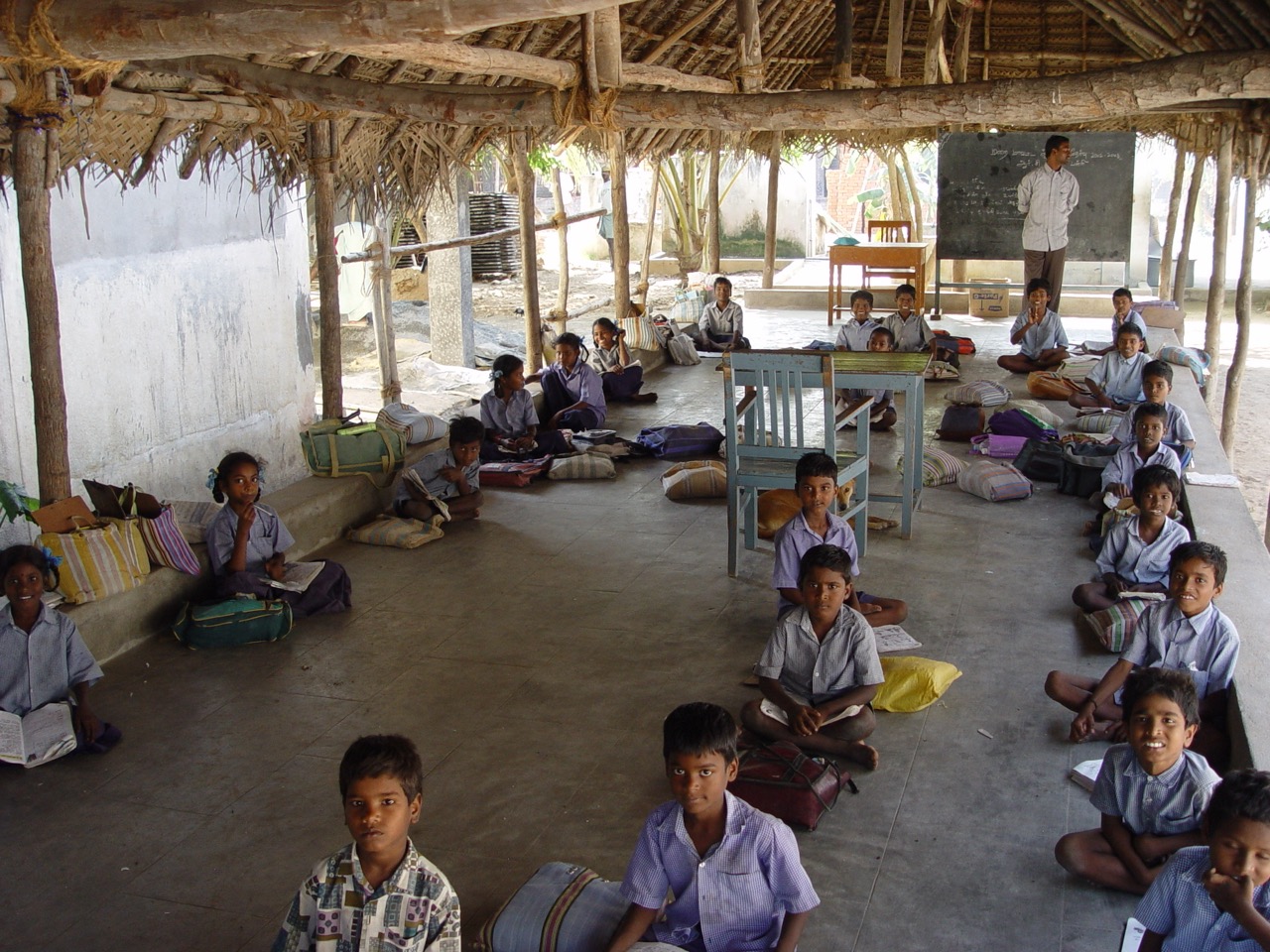
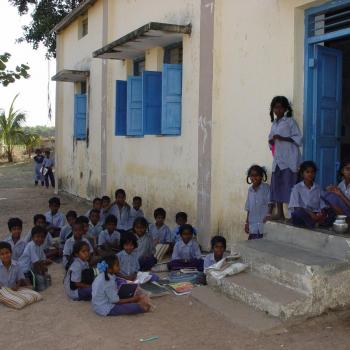
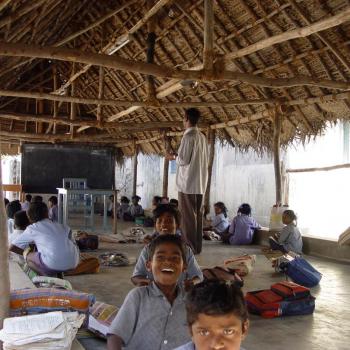
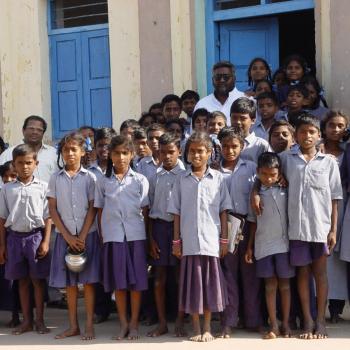
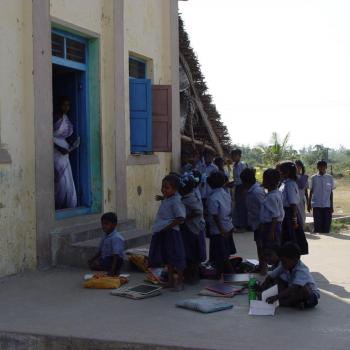
The Kovalam school before the Cuomo Foundation funded strucutre was buit
American society encourages this type of behaviour more actively, since philanthropic action benefits from tax incentives. Without diminishing the significance of such action, this helps explain the large number of philanthropic initiatives across the Atlantic.
In Europe, such gestures remain less frequent, although their number is increasing.
In the past, philanthropy often consisted simply in giving, leaving others to manage donations locally, without monitoring progress, obstacles or even blockages.
Today, many philanthropic initiatives no longer simply provide funding. They are also locally involved in monitoring implementation and in observing the changes that take place.
Philanthropic action can take several forms, chiefly education, health, support for research, the development of an art form, or the preservation or restitution of an identity-forming cultural heritage.
Every philanthropic act contains something like a ballet between the act of giving on one side and the act of receiving on the other.
In the aftermath of a natural disaster - an earthquake, tsunami or fire - there are sudden surges of generosity, and donors are most often perceived very positively, almost as a gift from heaven.
Yet States remain sovereign within their own territories, and the human tragedies that follow can reduce the philanthropic impact of assistance, whatever form it may take.
In any event, such action is always brief, and donors do not know the recipients.
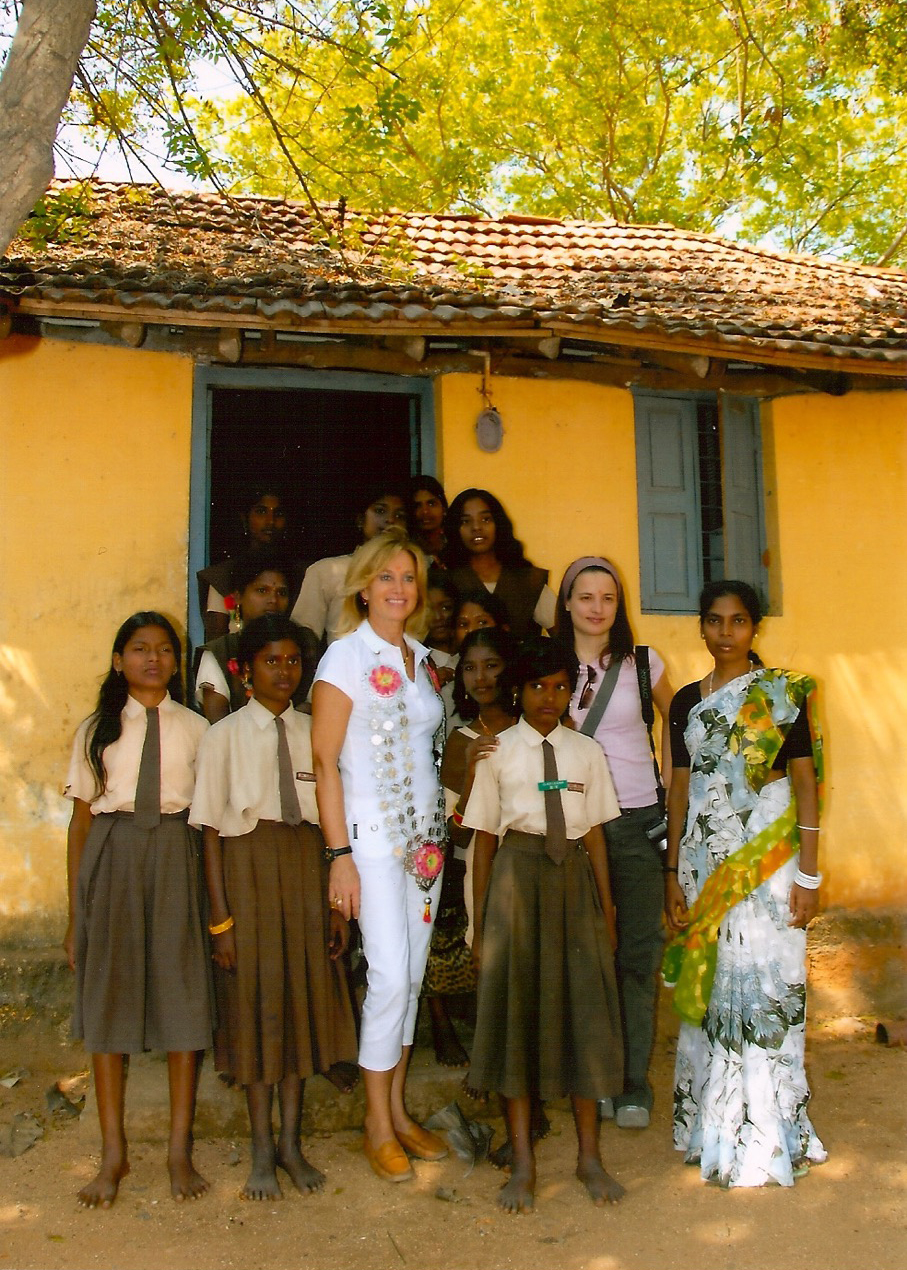
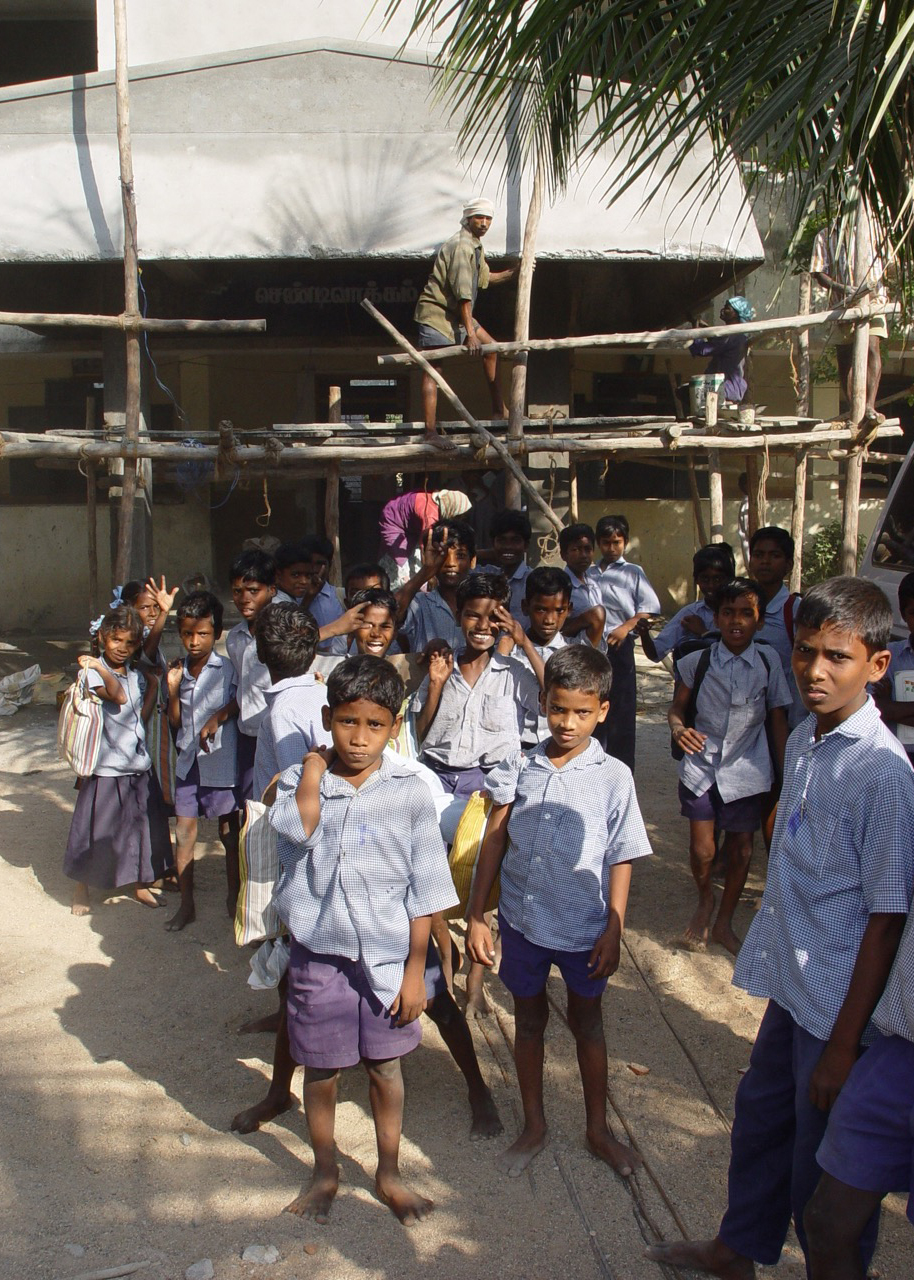
By contrast, involvement in education and health requires a long-term commitment and a local presence, either directly or through local representatives. This extended timeframe creates a lasting relationship between donor and recipients, introducing another parameter: no longer simply that of the gift, but that of the vision behind the project and the means deployed to achieve its goals. Over time, this relationship can sometimes become difficult to sustain, as the recipient may perceive the donor’s constant presence as an “intrusion” into his or her own sphere.
Philanthropic action is therefore more difficult than instinctive feelings might lead one to believe.
Finally, morality is constantly evolving, and not necessarily for the better.
How many countries that were once easily accessible are now closed to any foreign action, wherever it may come from?
Transfers of funds are also becoming problematic.
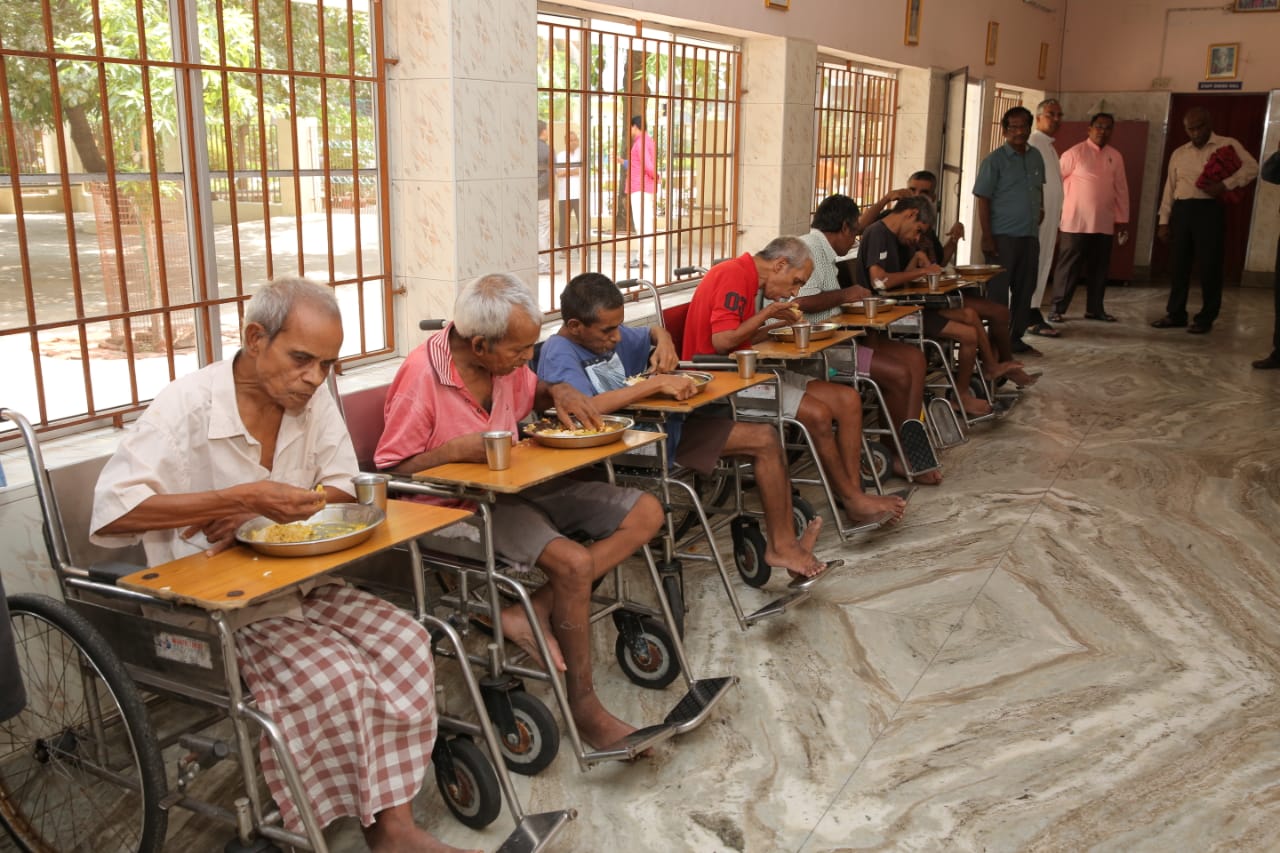

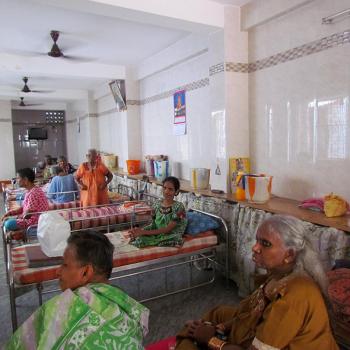
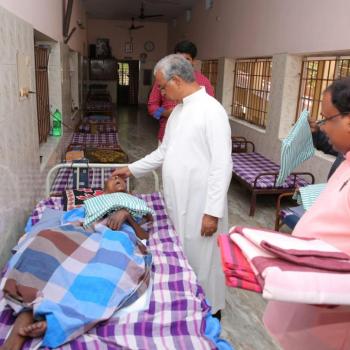
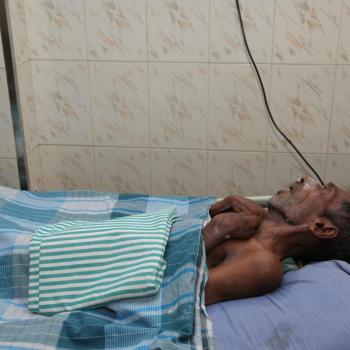
Merci Home for the elderly, Chennai
The best intentions are now constrained by an increasingly complex and sometimes highly restrictive geopolitical environment.
Managing a philanthropic foundation has become difficult, both in distant regions and close to home, especially as poverty and human distress are on our doorstep and States are increasingly limited in what they can do.
The dream that presides over the creation of a foundation comes up, after years of work, against growing difficulties.
This should not discourage us, but it requires much more substantial work before deciding whom to help, at what cost, and with whom.
- Maria Elena Cuomo



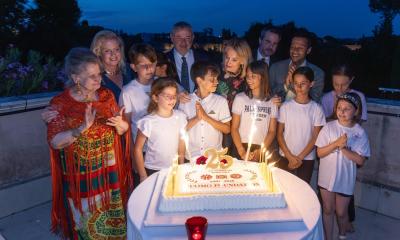
The Cuomo Foundation at 25
2026 Jun 24


Annual Report 2024
2025 May 13